
Smart Factory & Lean Production Solution
Smart Factory & Lean Production Solution
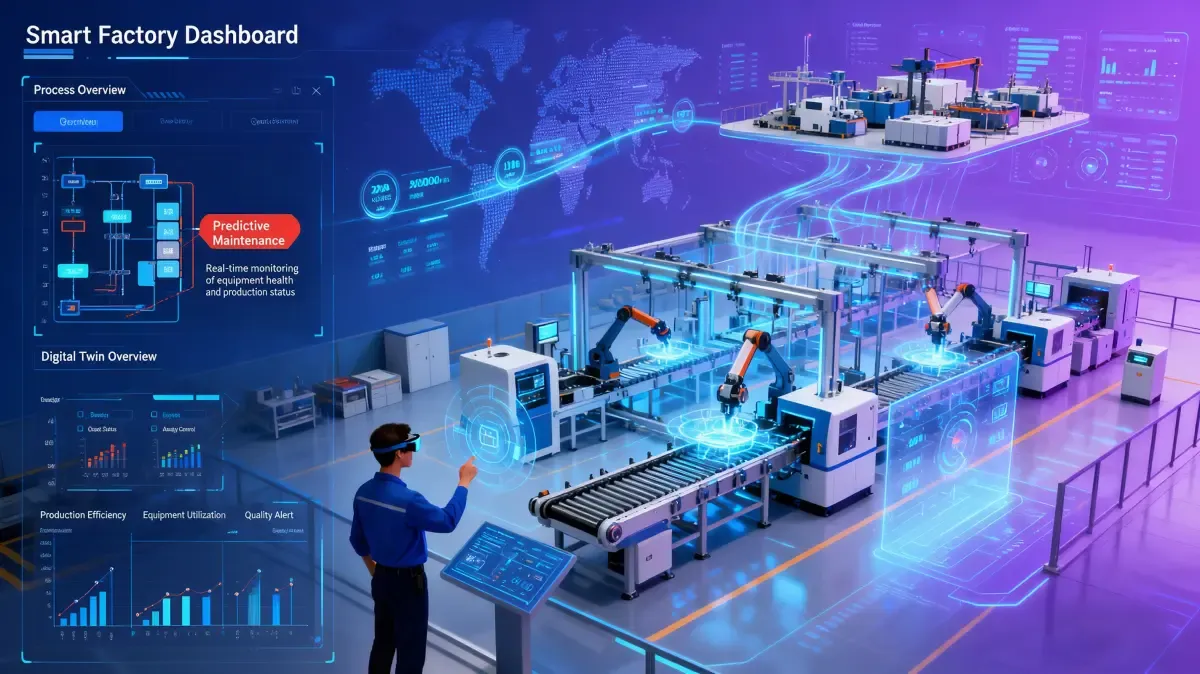
Most factories already have equipment, and many have an ERP. What they rarely have is a continuous picture of what is happening on the floor — so work-in-progress piles up, changeovers run long, quality problems cannot be traced back, and the numbers people report are assembled by hand and assembled differently every time.
This is not primarily a software problem. Buying a system before the process has been fixed usually produces the same result: the system goes live, the work stays the same.
We work differently. We start from the process, remove the waste we can see, and introduce digital capability where it earns its place — connecting to what you already run rather than replacing it.
And we take responsibility for the outcome. The problems described below are the problems we are there to solve. They are not a list of observations we hand over and leave with you.
What this is. A lean and digital transformation service delivered by a team that works inside your plant, with digital capability added where it earns its place. What this is not. It is not a software sale, and it does not require buying hardware from us. Equipment and sensors can be sourced by you or by your own suppliers. What we commit to. Each problem in this document is one we take responsibility for solving before we move to the next stage.
The problems we solve
Five problems show up in almost every plant we walk into. They rarely have one cause, which is why they rarely have one fix.
How we work: lean first, then digital
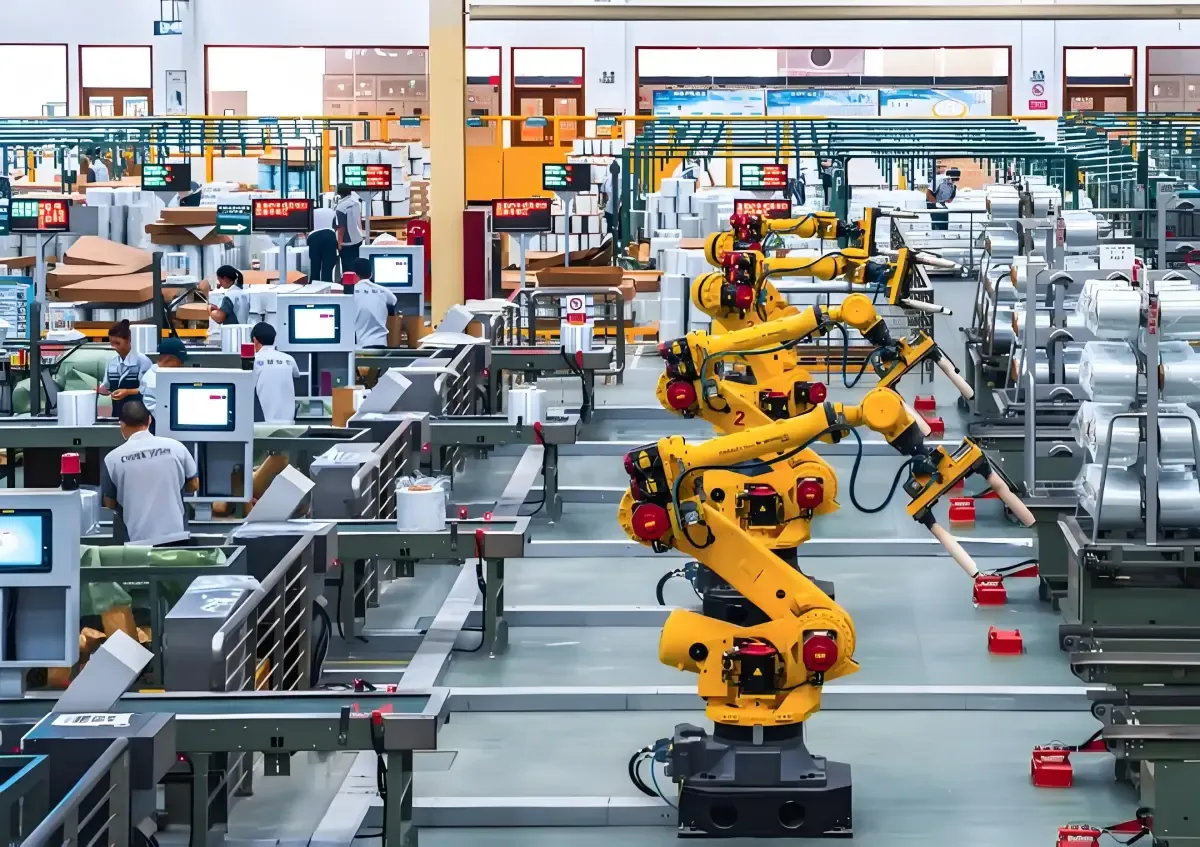
Lean comes first because waste is a process problem. Until the flow is understood, better data only describes a bad process more accurately.
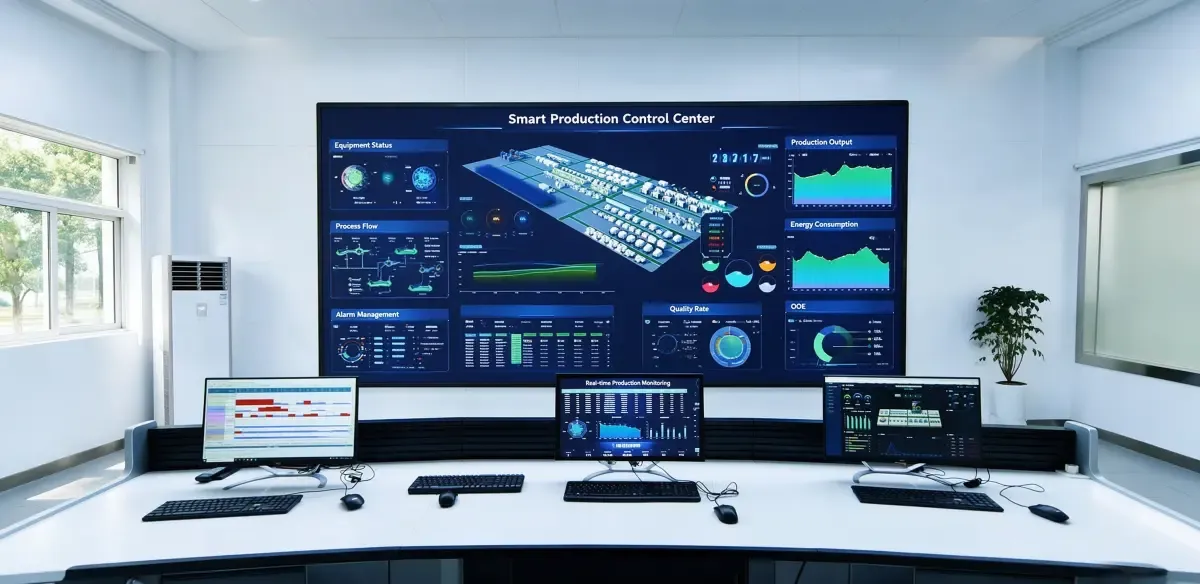
Digital comes second, and it earns its place. Each capability we add has to answer a specific question the plant actually asks: where is the bottleneck, why did this shift stop, which batch is affected, what happens next. Anything that cannot answer a real question is not introduced.
We do not replace your ERP, your MES or your existing equipment. We connect to them, so the investment you have already made keeps working and the data you already record becomes usable.
Where it applies
The starting point differs by industry, but the pattern is the same: the plant knows something is wrong and cannot see where.
Industry | What usually starts the conversation | First improvement focus |
Automotive parts & machinery | Changeover time and traceability across many variants | Flow and changeover discipline |
Electronics & semiconductor | High mix, tight traceability, heavy reliance on paper records | Data capture and genealogy |
Food, beverage & central kitchens | Recipe control, shelf life, food safety records | Standard work and records |
Chemical & new energy | Process safety, batch consistency, audit readiness | Operating discipline and reporting |
Medical devices & healthcare | Full traceability and documented control | Traceability and change control |
Cross-border logistics & warehousing | Order accuracy, stock accuracy, throughput | Process standardisation first, then visibility |
How we deliver: four stages
We do not arrive with a fixed plan for your plant. Each stage is scoped from what the previous one found, and the pilot is deliberately small enough to learn from and safe enough to keep running while we learn.
Stage | What we do | What you get |
Diagnose | Walk the floor, map the value stream, quantify the losses we can see | A current-state map, a prioritised loss list, and a recommendation on where to start |
Pilot | Run the change on one line or one cell with your people, not around them | Standard work, a trained line team, and before-and-after figures measured on your own records |
Scale | Extend what worked, adapt what did not, integrate with existing systems | Documented processes, integrated data, and teams able to run the area without us |
Improve | Keep the loop turning — plan, do, check, adjust | A standing improvement routine with visible measures and a backlog that is worked |
What we bring
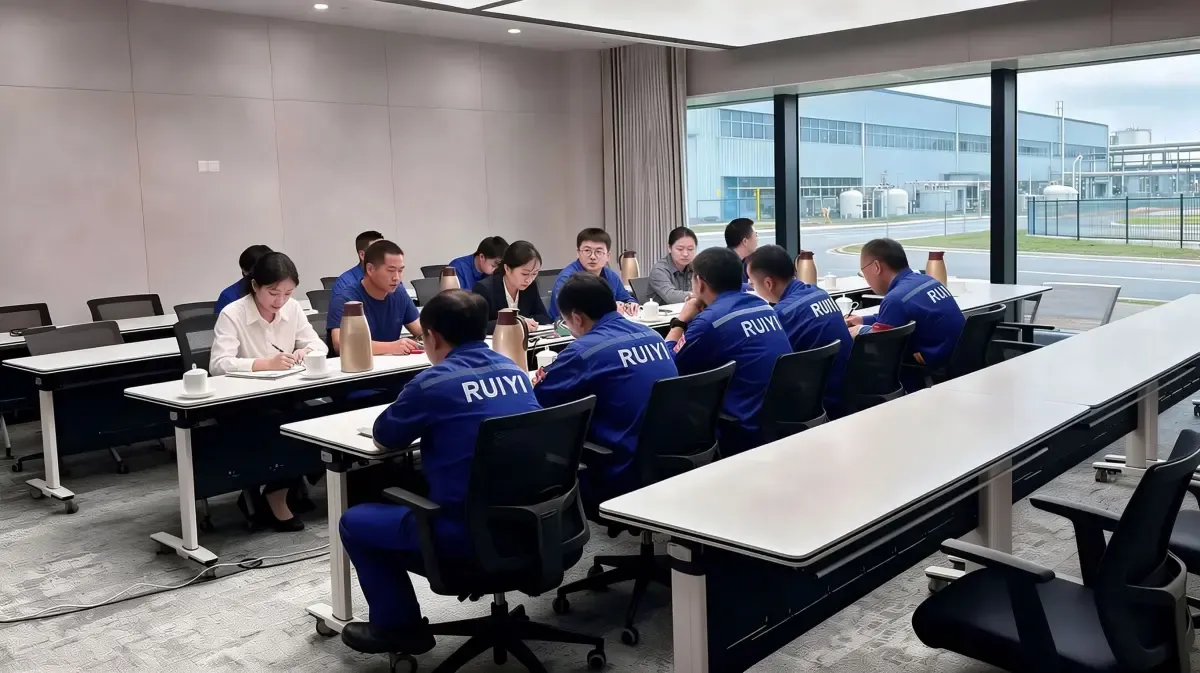
The team is mixed on purpose: lean practitioners who have worked on shop floors, engineers who can connect to the systems you already have, and people from your industry who know what actually happens during a shift.
How quality is assured
Each stage has a defined exit condition, agreed with your team before it starts. We do not move on because a date arrived.
Stage | What is checked before we move on |
Diagnose | The current-state map is confirmed by the people who work in the area, not only by us |
Pilot | Before-and-after figures are measured on records the plant already keeps |
Scale | Standard work is documented and the trained team is running the area without daily support |
Improve | The improvement loop is running with the plant's own people owning the measures |
What we solve
These are not aspirations or a direction of travel. Each of them is something we take responsibility for solving inside your plant, and we do not move to the next stage until it is solved.
How we work with you
Start small. The first stage is scoped to be safe to run and quick enough to learn from.
Your data stays yours. We work in the systems and records you already use.
No bundling. Software and hardware are only included where they are the right answer; you can source either yourself.